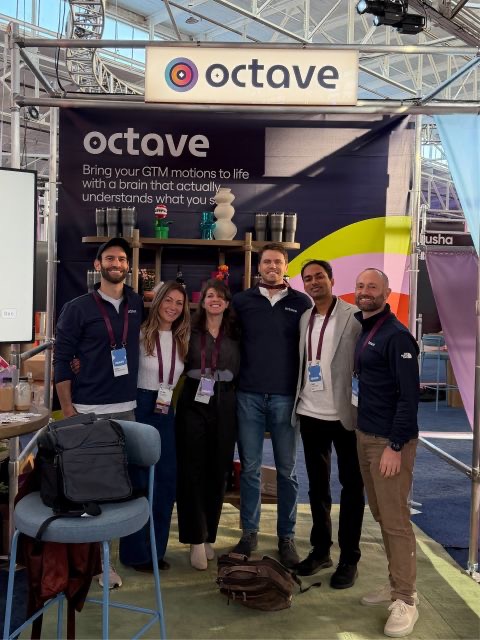
We loved connecting with the community at Sculpt 2026 and dreaming up ways to use Clay and Octave together!
One of our favorites is making the account signals you're pulling into Clay more actionable.
If you're just parroting signals in your outreach ("we saw you're hiring for X.") you're not getting much out of them. The true value of signals is that they let us infer that a business has a problem our product can solve. We want to point out this value before competitors do.
Octave connects the dots between that recent problem and your solution. Then, it makes that information available to your reps, your agents, and any workflow you're feeding signals to.
Show reps:
- Which of the signals matters most
- Why they matter: what's the business problem, what's your solution
- Who they matter to: one signal might matter because it implies the CMO has a problem you can solve, while another signal might be indicative of a CIO's problem
Octave does this by comparing signals in Clay to your GTM strategy.
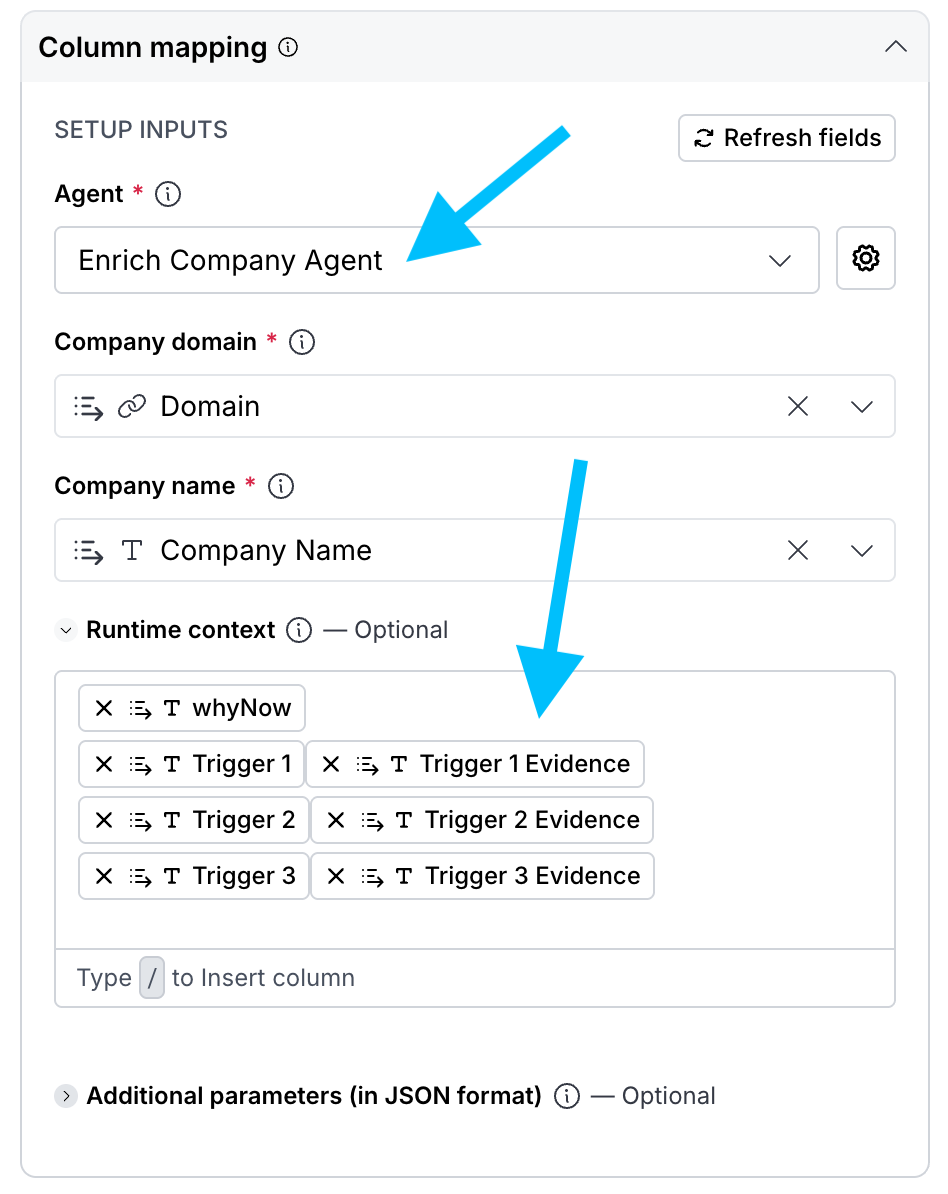
In the walkthrough Loom below, we imagine that we're Asana (a work management program) and we're targeting Navan (corporate travel and expense).
Let's say we find news of recent M&A activity at Navan. Well, Asana can help with M&A in a lot of ways! For example:
- Signal 1: Navan acquired BoomPop last month. This creates technical integration work.
- COO problem: The problem for Navan's COO could be all the moving parts of cross-functional work to get the integration done. Asana's solution makes dependencies, milestones, and workstreams clear for the COO.
- CIO problem: The problem for Navan's CIO could involve governance. Reps can highlight how Asana helps manage this.
- Signal 2: Navan acquired Reed & Mackay 5 years ago but recently announced they're migrating all their customers to the Navan platform. That's a big customer operations and support project.
- CEO problem: The CEO of Reed & Mackay might want to make sure the migration goes off without a hitch. Asana could map out a very clear cross-company migration plan with per-client details.
Octave shows you how to explain these "angles" on value as you're multi-threading. It shines a light on strategic connection.
In addition to processing timely account signals, Octave is assessing whether Navan is a fit for Asana in the first place. When you run the Octave integration in Clay, it can tell you:
- That Navan successfully maps to the enterprise tech segment in Asana's GTM context graph in Octave
- Which Asana products and services to highlight, if it has multiple offerings
- The fact that Navan is a 4k+ employee, fast-growing, AI native, global company, all of which imply coordination challenges that Asana can help with
And plenty more, of course.
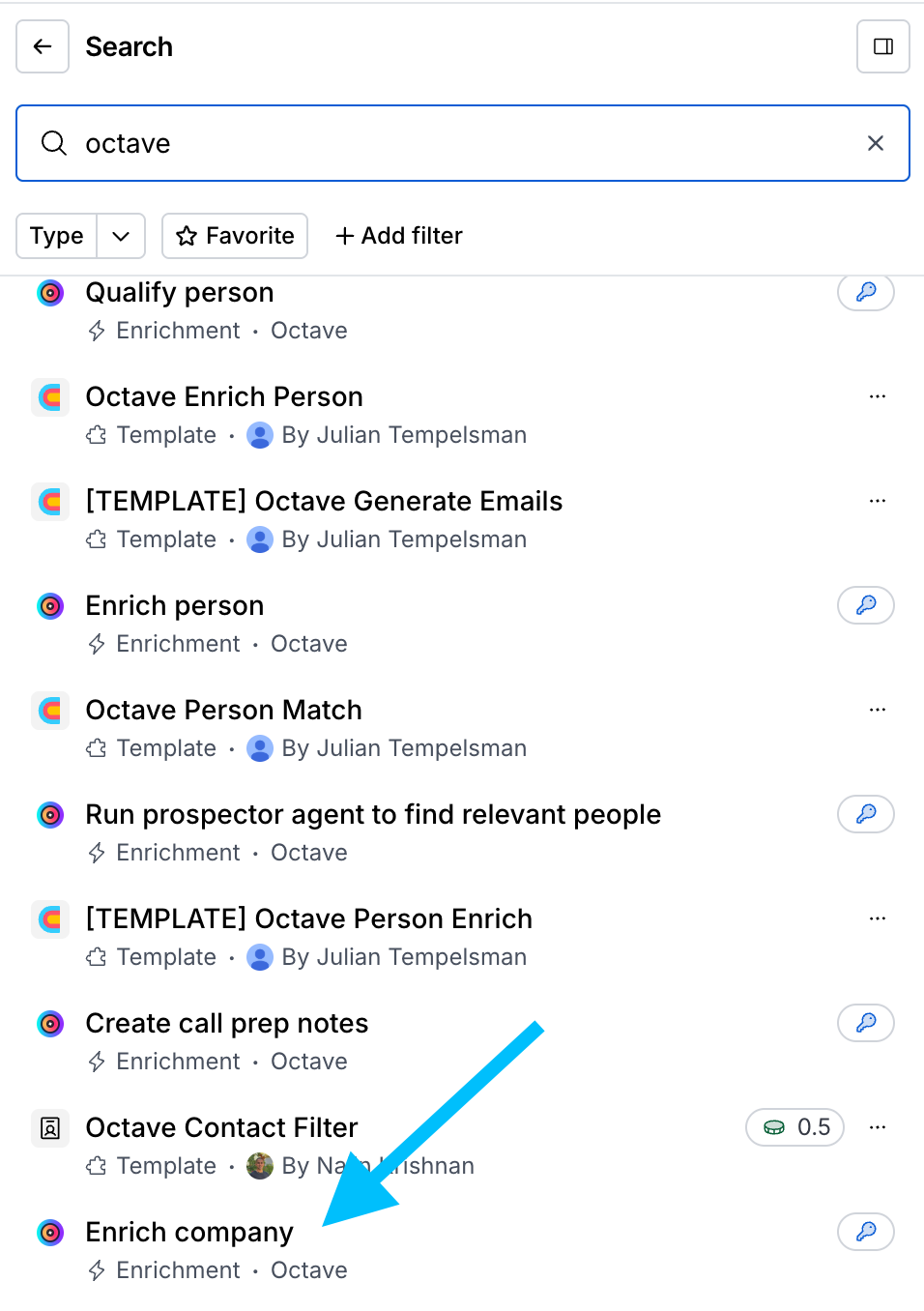
To try it, search Clay for "Octave Enrich Company" (in the video below, we've renamed it to "Map to Strategy"). Bring your own API key for this one. We have other credit-based Octave goodies to try in Clay, too. Check out the walkthrough for more detail, and reach out if you want to talk shop or get help setting it up!